

Attention spans are shrinking, but the demand for memorable brand experiences is rising. In 2026, businesses are increasingly turning to 2D cartoon animation services to capture audiences within the first few seconds of interaction. According to market insights, the global animation market is projected to grow at over 5% CAGR, reflecting strong investment in visual storytelling across digital platforms.
Instead of static visuals or lengthy product explanations, brands now rely on cartoon animation to humanize services, simplify complex ideas, and build emotional recall. Whether it’s a fintech startup explaining digital payments or a healthcare platform introducing new services, animated narratives convert 20–30% higher than text-heavy content in many digital campaigns.
Compared to live-action production, 2D animation services often reduce production costs by 25–40% while maintaining full creative control. As marketing budgets demand efficiency and performance, businesses are steadily prioritizing animation as a scalable solution for brand personality-driven campaigns and sustained digital visibility.
Cartoon animation is no longer just visuals; it’s a strategic storytelling tool that drives engagement and builds memorable brand experiences. – Mubashir Faiz, CEO at Diginautical
Read More: Cartoon Animation Services – Cost, Process & Business Benefits
The Evolution of 2D Cartoon Animation Services in Modern Branding
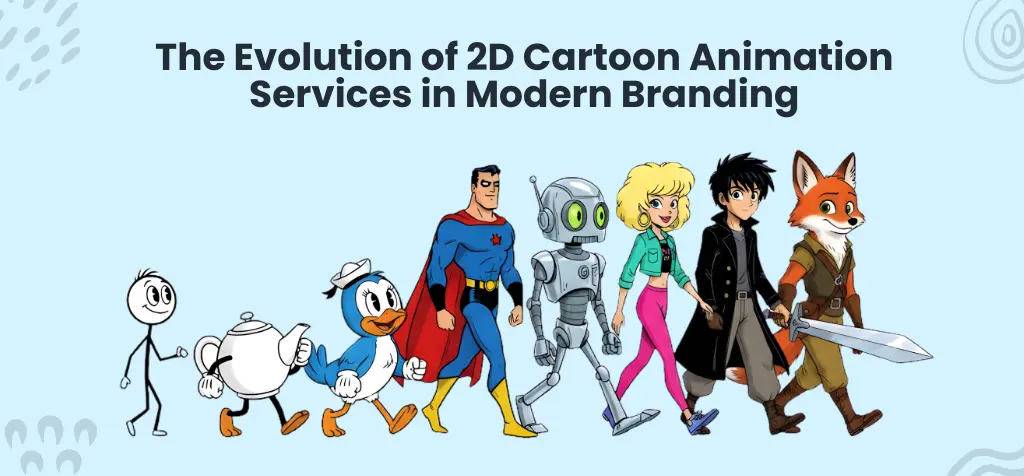
Today, audiences expect personality, relatability, and narrative depth. This shift has positioned 2D cartoon animation services at the center of modern branding strategies. Instead of selling products directly, brands now build characters, worlds, and storylines that audiences can connect with emotionally, turning marketing into an experience rather than an interruption.
The transition from generic advertisements to stylized cartoon visuals reflects a deeper change in consumer behavior. Viewers respond more positively to expressive visuals that simplify complex ideas and present them in an engaging format. As a result, cartoon animation for business is no longer limited to entertainment brands. Fintech startups, healthcare providers, SaaS platforms, and ecommerce software development companies are increasingly using animated explainers and branded character content to improve retention and conversion.
Several factors explain why organizations are investing more heavily in expressive 2D formats and seeking collaboration with a reliable cartoon animation company:
- Greater creative flexibility without location or casting limitations
- Stronger emotional connection through character-driven storytelling
- Easier adaptation for short-form and multi-platform campaigns
- Cost efficiency compared to traditional video production
- Faster revisions and scalable content production
2026 CARTOON ANIMATION TRENDS
Now, let’s go through some of the unique trends in cartoon animation services for the year 2026 that will help enterprises stay ahead in the competition.
Trend #1 – Expressive 2D Character Animation That Feels Human
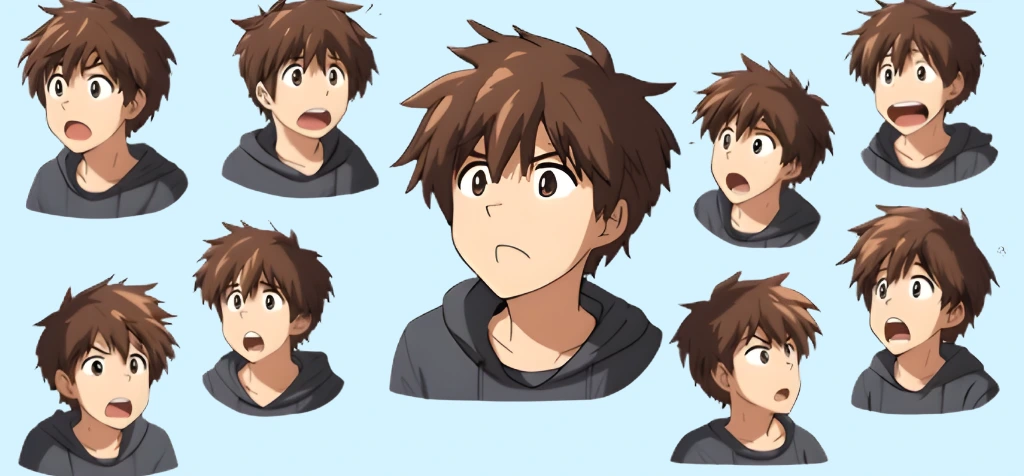
This year, animation is moving beyond simple movement to create characters with personality, intention, and relatability. Subtle gestures, micro-expressions, and nuanced motion are making brand mascots feel genuinely alive, turning them into digital ambassadors that audiences trust and remember.
Why it’s happening
As audiences crave connection, static logos and generic graphics no longer suffice. Brands are investing in 2D character animation services and hiring a cartoon animator to craft consistent personalities that engage viewers across marketing, social media, and product experiences. Long-term identity and recognition are now central to animation strategies.
How it shows up
- Characters displaying micro-expressions to convey emotion
- Mascots interacting with digital content in realistic ways
- Subtle motion cues that create personality without overcomplicating visuals
- Integrated animation across campaigns for cohesive branding
Why it matters
Expressive animation creates a human connection with brands, which deepens emotional ties while increasing brand recognition. Through their custom cartoon animation services, businesses can create a consistent character identity that customers recognize across different contact points, which helps to build brand loyalty and customer retention.
Trend #2 – Simple & Flat Cartoon Design with Strong Visual Hierarchy
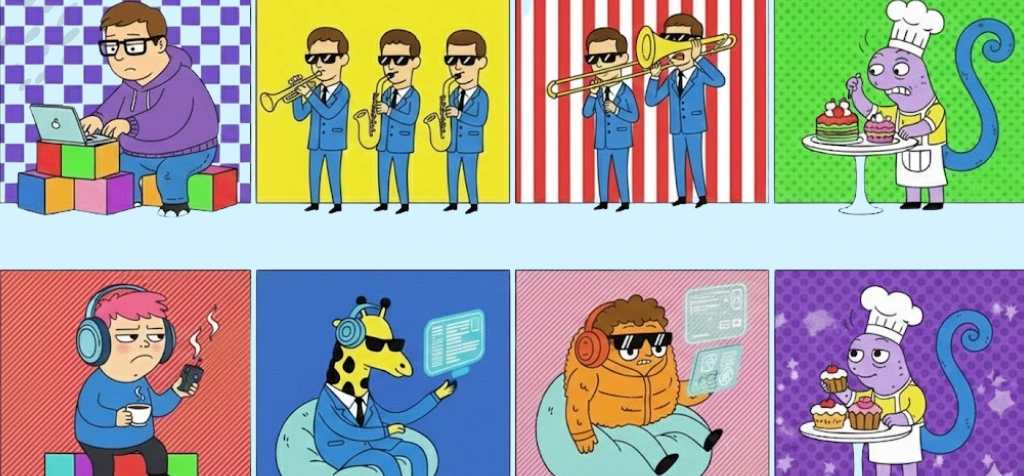
Simple and flat cartoon design paired with intentional visual hierarchy ensures messages are conveyed instantly, enhancing user experience and brand recall. Companies increasingly rely on cartoon animation service to communicate complex ideas in a digestible and visually appealing format.
Why it’s happening
With apps and platforms flooded with content, overly complex animations can distract or overwhelm users. Designers are turning to clean linework, bold color palettes, and precise motion that complements rather than competes with the interface. Whiteboard animation services are increasingly popular because they naturally support concise storytelling without visual clutter. Additionally, integration with UI/UX design principles ensures animations guide user attention and reinforce usability.
How it shows up
- Flat characters and objects with clean outlines
- Color contrasts to highlight key elements
- Animations that reinforce navigation or focus
- UI-friendly motion that aligns with product flows
Why it matters
The use of simplicity in cartoon design strengthens comprehension, retention, and engagement. In 2026, brands adopting this approach deliver more functional, intuitive, and visually striking experiences, especially in digital-first industries like finance, B2B software development companies, and ecommerce.
Trend #3 – Whiteboard-Style Cartoon Animation Reinvented
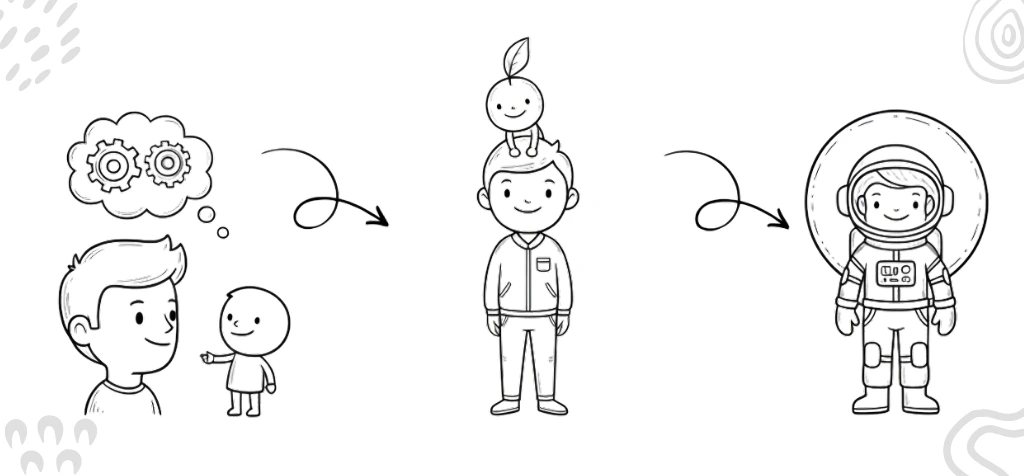
This year, whiteboard-style animations are moving beyond simple sketches. The focus is on clarity, engagement, and dynamic storytelling, making them a preferred choice for businesses aiming to educate and onboard effectively using whiteboard animation services.
Why it’s happening
Companies are looking for a balance between simplicity and engagement. Audiences want content that explains complex ideas quickly while maintaining attention. The rise of online learning, corporate training, and explainer-driven marketing has fueled the demand for 2D whiteboard animation services that are visually appealing yet instructional.
How it shows up
- Clean, minimalistic design with purposeful motion
- Smooth transitions replacing abrupt cuts
- Hand-drawn aesthetics combined with subtle animations
- Enhanced storytelling for educational or onboarding content
Why it matters
Modern whiteboard animation gives brands the ability to communicate concepts efficiently without overwhelming viewers. Businesses that incorporate dynamic motion and polished visuals can improve learning retention, simplify messaging, and improve the overall content experience.
Trend #4 – Hybrid Cartoon Animation (2D Meets 3D Depth)
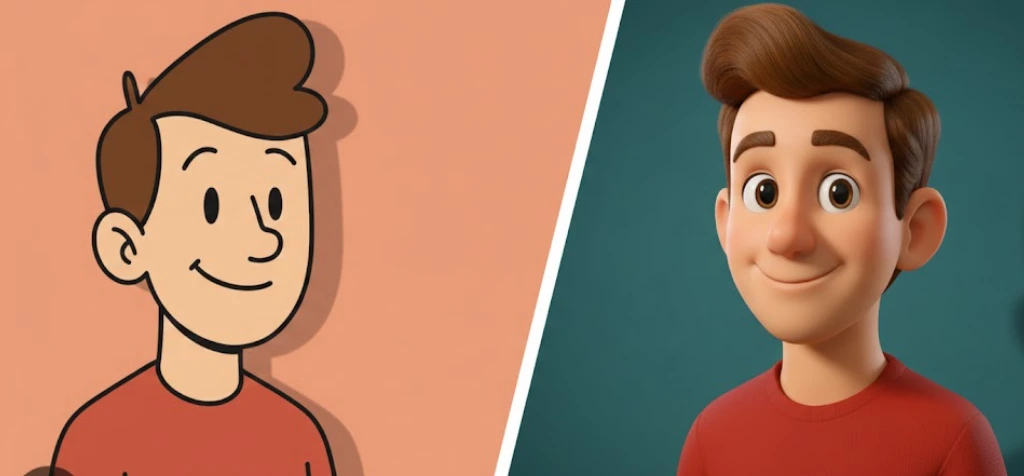
In 2026, hybrid cartoon animation is gaining traction as brands combine the charm of 2D characters with the immersive depth of 3D environments. The rise of 2D vs 3D animation experimentation allows marketers to choose the right balance between simplicity and visual impact, ensuring content resonates without overwhelming viewers.
Why it’s happening
Audiences are looking for novelty without sacrificing clarity. Pure 3D can feel distant or overly technical, while 2D alone may lack dimensional realism. By merging the two, brands achieve expressive storytelling with spatial depth, making animations feel interactive, dynamic, and memorable. 3D animation services are increasingly integrated into campaigns to elevate product demos, explainer videos, and social content while maintaining a relatable 2D aesthetic.
How it shows up
- 2D characters navigating 3D-rendered worlds, blending flat charm with realistic backgrounds
- Parallax effects that create depth and cinematic motion
- Interactive sequences where layered visuals guide viewer’s focus
- Subtle lighting and shadowing to enhance immersion without overpowering the narrative
Why it matters
Hybrid animation allows marketers to leverage the best of both dimensions: the approachability and emotional connection of 2D with the immersive impact of 3D. Using 3D character animation services, brands can tell more complex stories, create memorable ad campaigns, and differentiate their visual identity.
Trend #5 – Cartoon Animation with Motion Graphics Integration
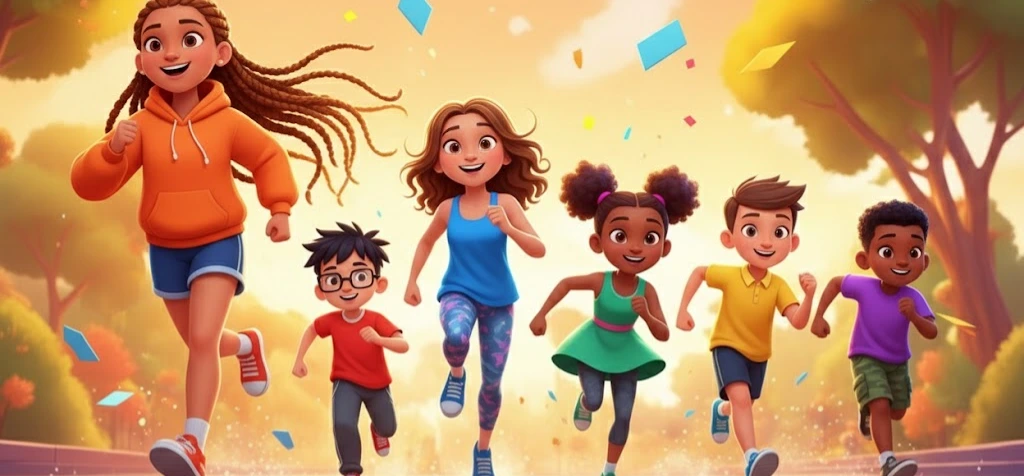
The fusion of 2D cartoon animation services with motion graphic design services allows brands to communicate data, narratives, and instructions in a visually compelling way. Combining kinetic typography, infographic styles, and character storytelling creates richer, more engaging experiences for audiences.
Why it’s happening
As content becomes increasingly data-driven, brands need ways to simplify complex information while maintaining attention. Integrating motion graphics with cartoon animation allows for dynamic storytelling that blends personality with clarity. Designers and animators now focus on making information digestible without losing visual appeal, prompting businesses to hire 2D animators who can merge these disciplines seamlessly.
How it shows up
- Animated charts and graphs with playful cartoon elements
- Character-led explainer videos incorporating infographic-style visuals
- Dynamic typography synchronized with narrative pacing
- Seamless transitions between storytelling and data presentation
Why it matters
Thanks to this integration, content will surpass ordinary animated content and make the spectators hallucinate. By merging 3D architectural animation services for product demos or educational materials, brands achieve higher engagement, improved retention, and a more professional presentation. In 2026, the trend emphasizes clarity through creativity, ensuring information resonates as effectively as it captivates.
Trend #6 – Social-First Short-Form Cartoon Content
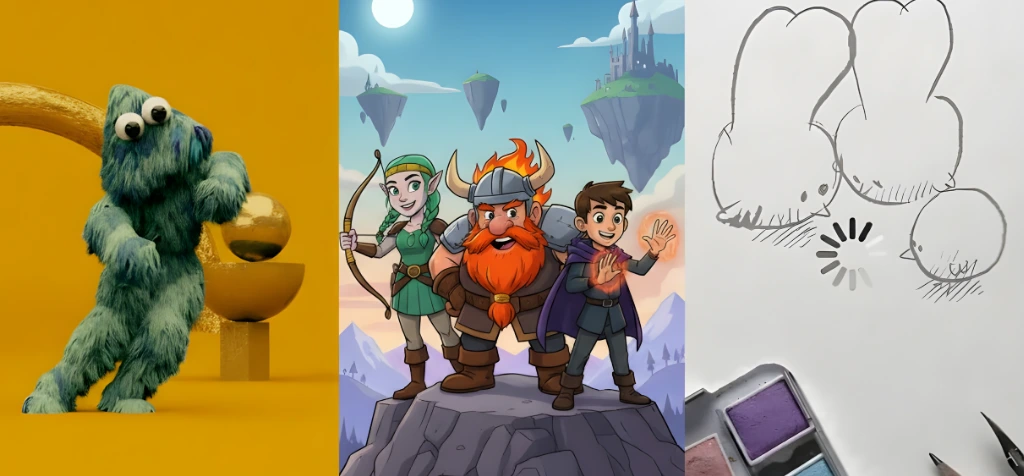
Cartoon animation for business now serves as both an explanation tool and a method to attract viewers through short 15-to-30-second videos that include loops and meme-style content, which perform well in quick social media feeds. The two requirements for these clips to succeed on Instagram, TikTok and YouTube platforms demand both post-production quality and pacing and optimization work.
Why it’s happening
Audiences scroll quickly, and engagement drops for content that doesn’t grab attention immediately. Short-form animations provide instant storytelling with humor, branding, or emotion, allowing businesses to communicate messages efficiently while standing out amidst the constant stream of visuals.
How it shows up
- Loop-friendly animations that repeat seamlessly without viewer fatigue
- Meme-inspired visuals and culturally relevant humor in branded cartoons
- Tight narrative structure optimized for 15–30 second delivery
- Polished post-production, including sound, pacing, and transitions
Why it matters
Effective short-form animation increases reach, retention, and shareability. With the right timing and post-production polish, brands can maximize ROI on social campaigns, turning quick bursts of visual content into meaningful engagement. Video editing services and skilled teams who hire video editors ensure every second hits the mark, creating professional-grade assets for ongoing digital strategies.
Trend #7 – AI-Assisted Cartoon Animation Workflows
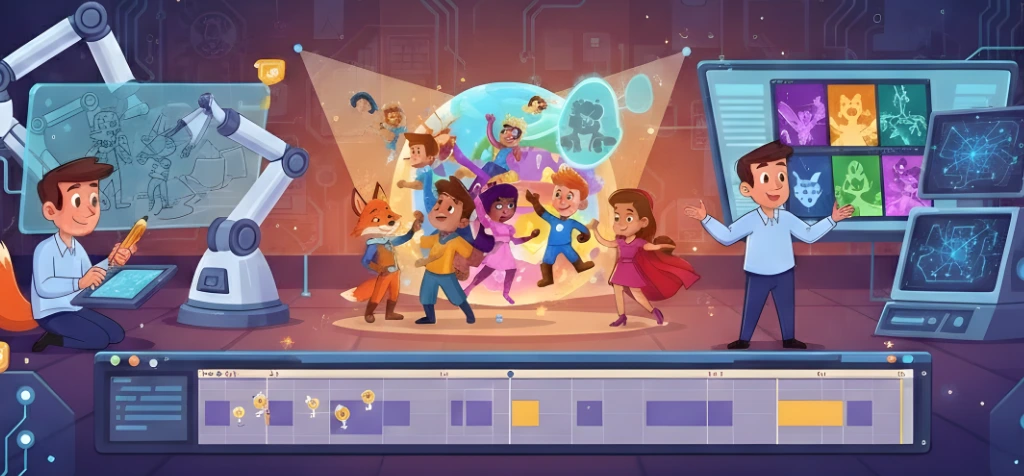
2D cartoon animation services are increasingly adopting AI-assisted workflows to streamline the cartoon animation process, reducing turnaround times while maintaining high creative standards. Similarly, studios integrating AI app development services are automating repetitive tasks, freeing animators to focus on storytelling and visual polish.
Why it’s happening
Traditional manual processes are unable to keep up with the increasing demand for high-quality animated content and the tightening production schedules. AI-powered solutions are used to speed up processes like creating storyboards, adjusting frames, and lip-syncing, guaranteeing a constant level of quality throughout several projects.
How it shows up
- Rapid storyboard generation from text scripts
- Automated lip-sync and facial animation
- Script-to-animation pipelines for seamless production
- Real-time adjustments and predictive error detection
Why it matters
AI integration transforms the cartoon animation process from labor-intensive to highly efficient, allowing studios and businesses, including healthcare software development companies, to produce professional, polished content faster.
Trend #8 – Personalized & Interactive Cartoon Animation
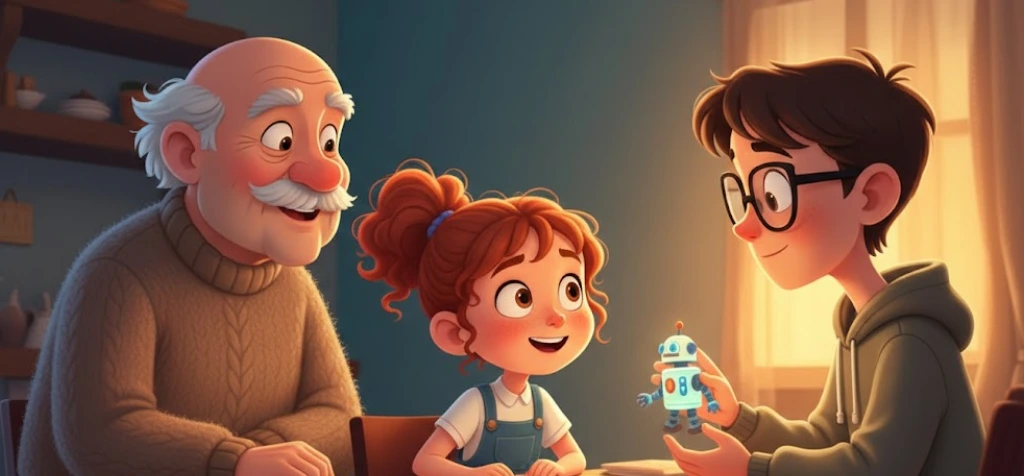
In 2026, brands are moving beyond static animations to personalized, interactive experiences that respond to individual user preferences. Professional cartoon animation services now focus on delivering content that feels tailor-made for each viewer, increasing engagement and recall.
Why it’s happening
Audiences expect relevance. The impact of generic content decreases because digital platforms have become more widespread. Companies use data-driven animation, dynamic name insertion, and interactive storytelling to develop experiences that customers find more valuable and easier to remember. The method enables users to participate in the story because they directly engage with the content.
How it shows up
- Dynamic name or profile-based animation elements
- Interactive onboarding sequences for apps or websites
- Animations that adapt based on user choices and engagement patterns
Why it matters
Personalized interactions boost retention, click-through rates, and brand loyalty. By incorporating custom cartoon animation services, motion graphic design services, or hiring specialized talent like 3D character animators, brands achieve scalable engagement while enhancing the perceived value of their storytelling.
Trend #9 – Cartoon Animation Pricing Transparency in 2026
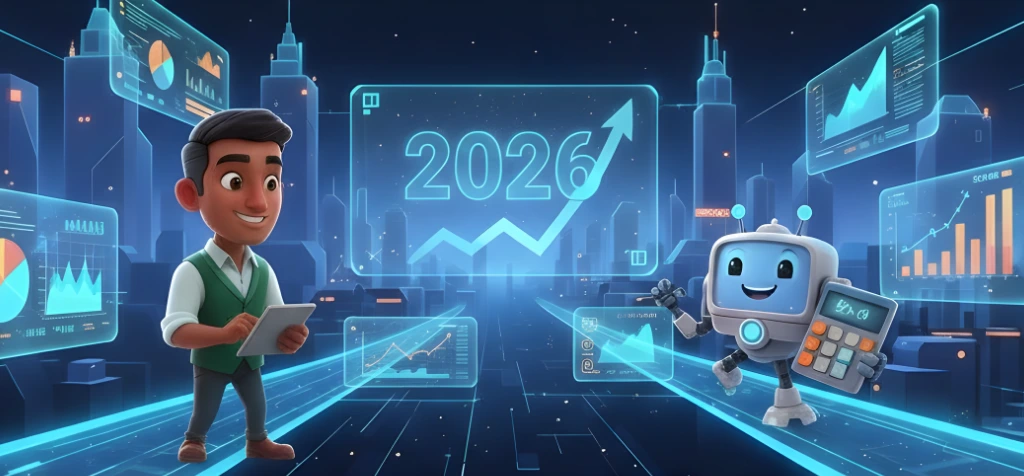
Brands increasingly seek transparent, value-driven cost models that align budgets with deliverables rather than vague estimates. This trend is particularly evident in custom 2D animation services and 2D cartoon animation services, where pricing clarity directly influences project planning and ROI.
Why it’s happening
Clients are demanding accountability and predictable costs in an increasingly competitive animation market. Startups and enterprises want to avoid hidden fees and align animation spending with measurable marketing or training outcomes. Transparent pricing models also encourage long-term relationships with animation partners, making it easier to plan recurring campaigns.
How it shows up
- Fixed-price or tiered packages for different animation types
- Subscription animation services for ongoing content needs
- Clear breakdowns of production, revisions, and licensing costs
- Standardized rates for additional services like voiceovers or sound design
Why it matters
Pricing transparency builds trust between brands and professional cartoon animation services. It allows businesses to scale animation strategies confidently, ensures better financial planning, and empowers teams to collaborate with or hire cartoon animator models without uncertainty.
Trend #10 – Industry-Specific Cartoon Animation Styles
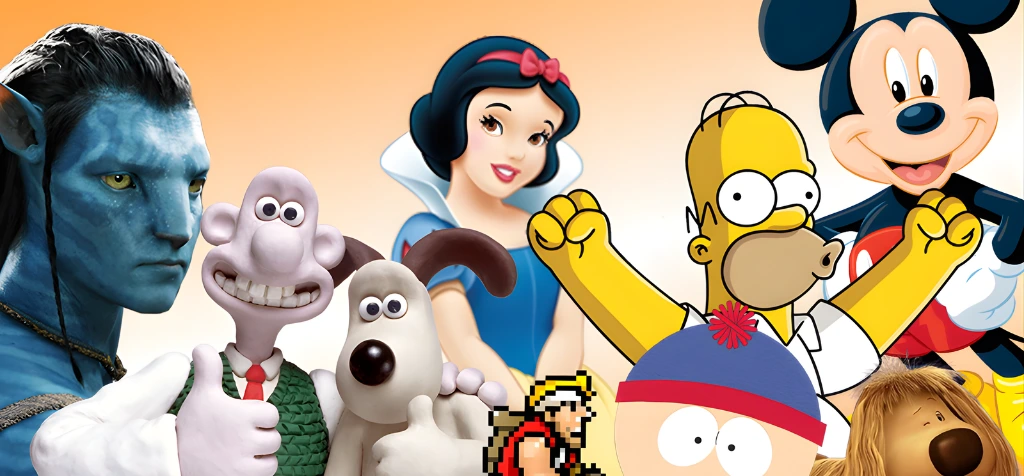
In 2026, the most successful brands are tailoring their animated content to industry-specific needs. Instead of a one-size-fits-all approach, cartoon animation companies are crafting styles that reflect each sector’s audience expectations, messaging tone, and engagement patterns.
Why it’s happening
Different industries demand different storytelling approaches. Ecommerce brands prioritize eye-catching visuals and character-driven product demos. SaaS and B2B companies need concise, informative animation that communicates value clearly, while the healthcare and EdTech sectors favor clarity, often leveraging whiteboard animation styles for educational or explanatory purposes.
How it shows up
- Ecommerce characters demonstrating products in short, engaging sequences
- B2B-focused storytelling using 2D explainer animations to simplify complex services
- Healthcare and educational content delivered through whiteboard or minimalist 2D character animation
- Subtle stylistic choices reflecting brand personality and audience expectations
Why it matters
Industry-specific animation increases relevance, trust, and retention. By aligning style and narrative with sector needs, businesses enhance engagement, reinforce brand identity, and ensure messaging resonates effectively across diverse audiences.
Read More: 2D vs 3D Animation: A Complete Guide for Businesses in 2026
The Modern Cartoon Animation Process – From Idea to Viral Campaign
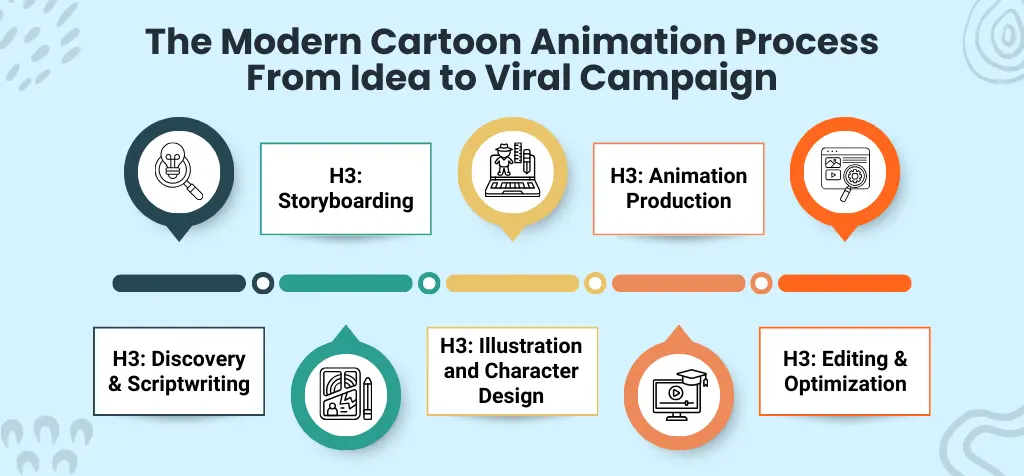
Creating standout animations requires a structured approach. A professional cartoon animation process ensures ideas transform into engaging, shareable content while maintaining quality, brand alignment, and audience appeal.
Discovery & Scriptwriting
This phase identifies goals, target audiences, and messaging tone. Companies engage with writers and strategists to craft compelling narratives that form the foundation for impactful campaigns. Many brands hire 2D animators early to ensure visual feasibility alongside script development.
Storyboarding
Storyboard creation visualizes the sequence of scenes, timing, and character actions. It bridges the gap between concept and production, allowing professional cartoon animation services to plan motion, pacing, and transitions efficiently.
Illustration & Character Design
Illustrators develop characters, backgrounds, and props that reflect brand identity. Custom 2D character animation services ensure designs resonate with audiences, combining aesthetic appeal with functional storytelling.
Animation Production
Animators bring illustrations to life, adding motion, expression, and timing. Integration with motion graphic design services enhances visual richness, while careful attention ensures each frame aligns with brand messaging and campaign objectives.
Editing & Optimization
Final production involves refining sequences, syncing audio, and optimizing for platforms. Video editing services ensure smooth playback, while adjustments to pacing, color, and effects maximize engagement across social media, web, and marketing channels.
Read More: How Startups Use 3D Explainer Videos to Grow Faster
2D vs 3D Animation – Which One Should Your Brand Choose?
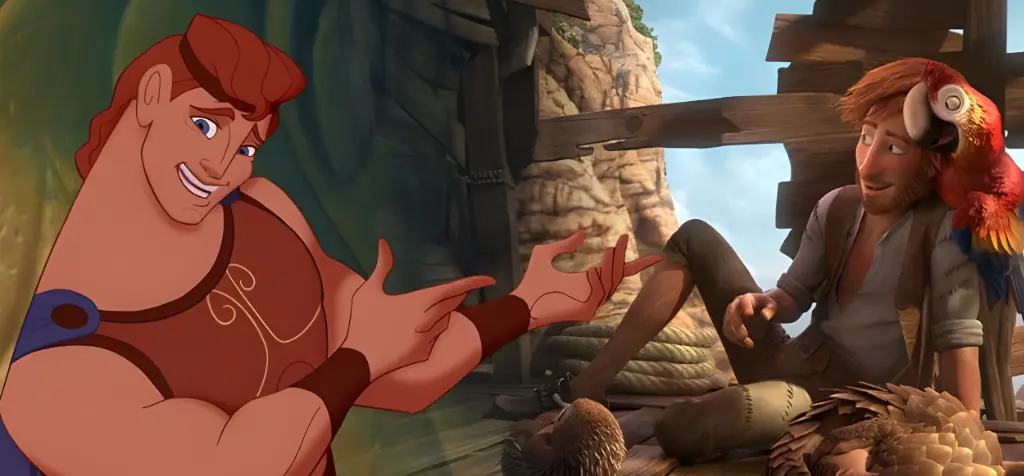
Choosing between 2D vs 3D animation depends on brand goals, budget, and audience. Each style offers distinct advantages, and understanding these factors helps businesses maximize engagement and ROI.
| Factor | 2D Cartoon Animation | 3D Animation |
|---|---|---|
| Cost | Lower | Higher |
| Production Time | Faster | Longer |
| Brand Personality | Strong, expressive | Realistic, immersive |
| Best For | Explainers, Social Media | Product demos, Games |
Why 2D Remains a Smart Choice
2D cartoon animation services are versatile, scalable, and cost-efficient. They excel in storytelling, social campaigns, and explainer videos, delivering measurable ROI while maintaining high visual appeal.
When to Consider 3D
3D animation services and 3D character animation services shine when realism, depth, and interactive experiences are essential, such as in product demos, architectural visualization, or gaming applications.
Read More: Top 10 Animation Companies in USA
Final Thoughts
In 2026, 2D cartoon animation services are redefining how brands connect with audiences. Businesses increasingly leverage animation for personalized storytelling, short-form content, and campaigns that drive engagement and recall.
Partnering with experts like Diginautical ensures professional execution, tailored creative solutions, and measurable results. From conceptualization to final delivery, their services help brands harness animation for marketing, training, and audience engagement, making it a strategic investment in 2026 and beyond.
Frequently Asked Questions
2D animation simplifies complex ideas, builds brand personality, and delivers versatile content for social media, explainer videos, and campaigns.
Timelines depend on complexity and style. Short-form 2D animations can take 2–4 weeks, while 3D or detailed character animations may require 6–12 weeks.
Yes, animations can be embedded across social media, websites, email campaigns, and even training modules, ensuring cohesive brand storytelling.
2D projects are generally more budget-friendly and faster to produce, while 3D animation services involve higher costs due to complexity, realism, and longer production times.


