



A great idea alone does not build a successful product. Research shows that around 90% of startups fail, and one of the biggest reasons is building something without validating demand or defining a clear strategy.
A good plan for developing a product starts long before you write the first line of code. Before launching an app, founders need to look at the basics of the business, such as identifying the target market, ensuring the problem is real, and creating a realistic plan. Without a good product-market fit strategy, startups often waste time and money building features users never asked for. This happens a lot with tech products, where excitement about new ideas can sometimes get in the way of research and planning for customers and businesses.
Startups that master core business fundamentals and validate their ideas early are the ones that turn innovative concepts into market-ready products. – Syed Irtiza Ali, Brand Manager, Diginautical
Building a basic MVP through professional mobile app development services can cost anywhere between $20,000 and $60,000, depending on features, integrations, and platform requirements. This is why founders who focus on core business fundamentals for startups early are far more likely to design products that succeed in real markets rather than just in brainstorming sessions.
Read More: Step-by-Step Guide: Mobile App Development Process for Businesses
Core Business Fundamentals for Startups That Shape Winning Products
Successful products rarely happen by accident. These core business fundamentals for startups help founders reduce risk, validate ideas, and build products that align with real customer needs.
1. Market Research & Competitive Product Analysis
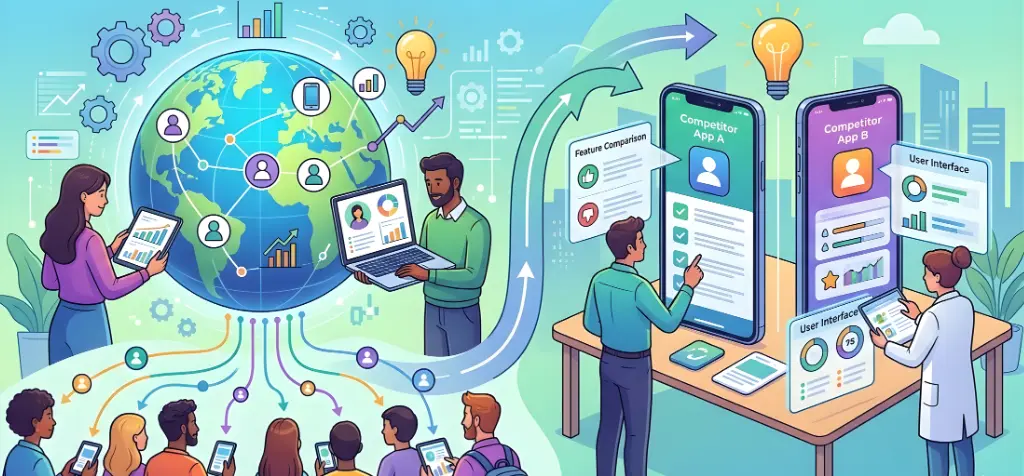
Effective competitive product analysis helps startups understand existing solutions, user expectations, and pricing models before development begins. A strong product market fit strategy combined with a clear customer acquisition strategy is one of the key core business fundamentals for startups, especially when working with Android app development services in industries like fintech, healthcare, or edtech.
2. Business Model Validation & Product Monetization Models

Before building a product, startups must focus on business model validation to determine how revenue will be generated. Many founders partner with a B2B software development company or providers of SaaS product development services to design scalable product monetization models, including subscriptions, freemium apps, enterprise SaaS licensing, and transactional mobile app monetization strategy frameworks.
3. MVP Strategy for Startups & Lean Startup Methodology
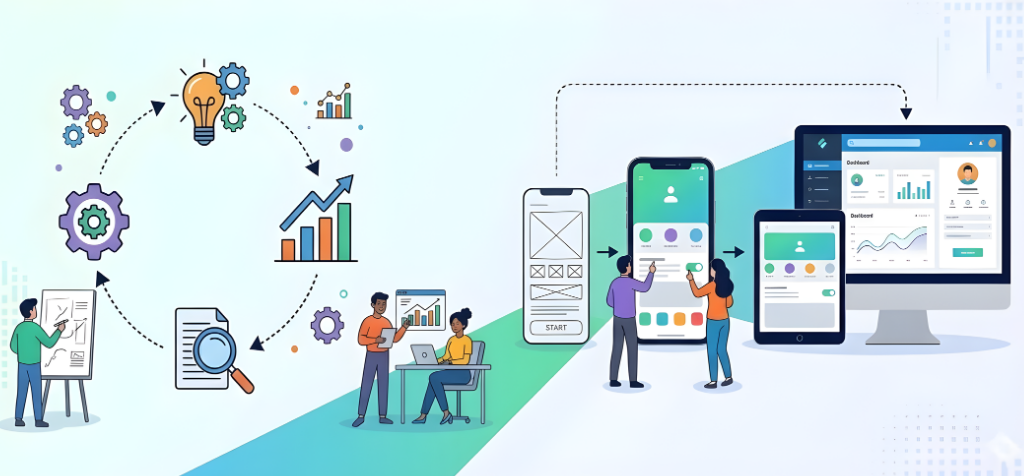
An effective MVP strategy for startups focuses on building a simplified version of the product to validate demand before full development. Using the lean startup methodology, companies often begin with MVP development services and product prototyping services, combining Android app development for startups with cross-platform app development services to test features quickly.
Read More: 20 Profitable Tech Startup Ideas You Can’t Miss
The Complete Product Development Lifecycle Explained
There is a carefully planned product development lifecycle behind every scalable platform that turns an idea into a solution that is ready for the market. Businesses use digital product strategy, agile product development, and precise product roadmap planning to keep track of timelines, features, and costs from the idea stage to the launch stage.
Stage 1 – Ideation & User-Centered Design Process
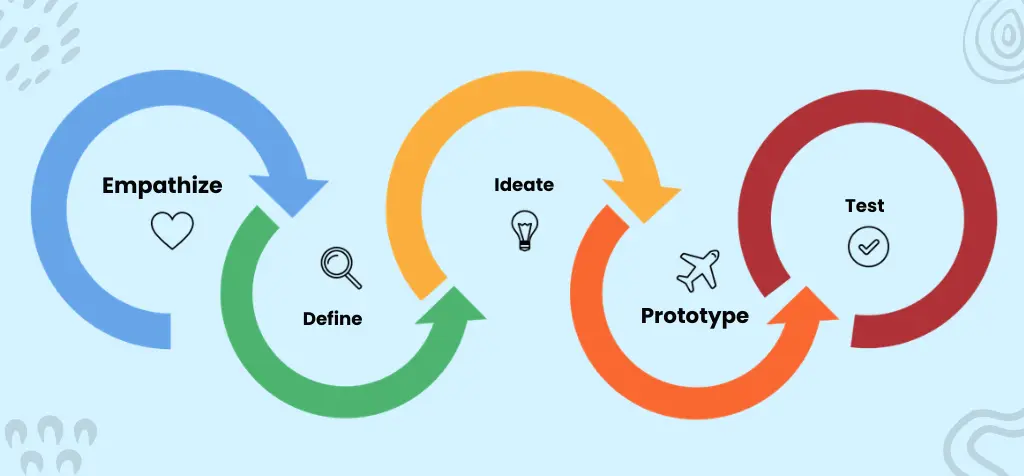
The journey begins with validating the problem and shaping the concept through a user-centered design process. Startups often collaborate with UI/UX design services, custom mobile app development, or custom software development services teams to research users, map journeys, and understand how to validate a mobile app idea before investing in development.
Stage 2 – Product Prototyping & MVP Development
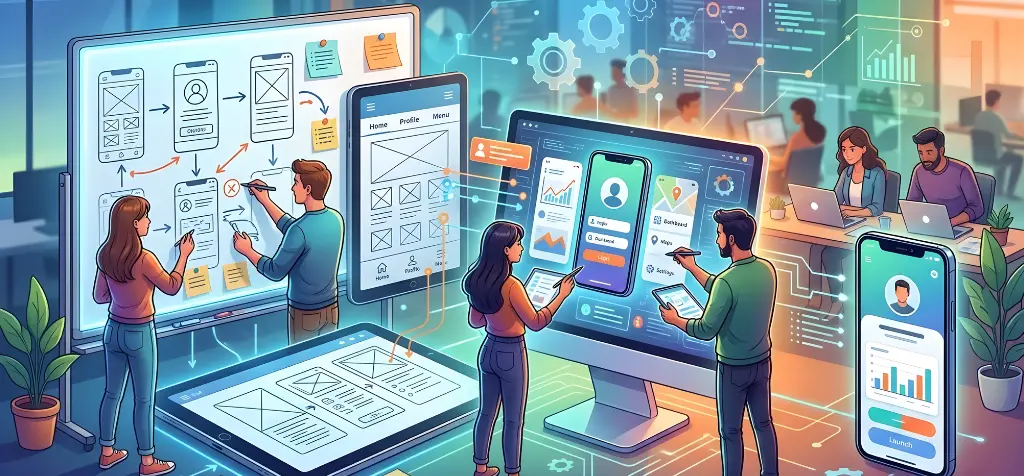
Once validation is complete, teams move into prototyping and MVP creation. Using MVP development services and iPhone app development services, startups test core features with real users. This stage follows a custom app development process explained through iterative releases and feedback loops, often guided by a practical mobile app MVP development guide.
Stage 3 – Scalable Development & Engineering

After MVP validation, engineering teams expand the product for scalability. Businesses may adopt iPhone app development services, Android app development services, or cross-platform app development services, depending on goals. A hybrid mobile app development company might also implement progressive web app development using frameworks from a Flutter app development company or React Native app development services, balancing native vs hybrid vs cross-platform app development decisions.
Stage 4 – Testing, Optimization & Go-To-Market Strategy
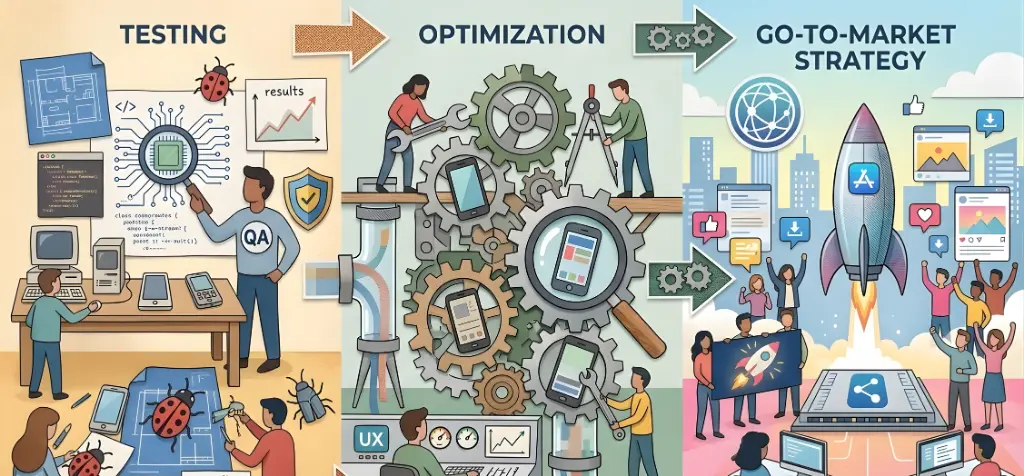
The final stage focuses on performance and launch readiness. Teams refine features, conduct QA testing, and design a go-to-market strategy supported by product scalability planning. Businesses also evaluate mobile app development pricing, the cost to develop a mobile app, overall mobile app development cost, and supporting web development services before release.
Read More: 12 Leading Software Development Life Cycle Models You Should Know
Choosing the Right Technology Stack for Mobile App Product Development\
Many businesses rely on custom software development services or partner with a web and mobile app development company offering full-stack development services and enterprise software development expertise to ensure the product can scale as user demand grows.
iPhone App Development vs Android App Development
Choosing between platforms depends on the target audience, budget, and business goals. Working with an iOS app development company for custom iPhone app development can deliver a polished user experience, while startups often hire iOS app developers to build premium, secure applications for Apple users. Similarly, many healthcare software development companies follow this approach to ensure apps meet strict compliance and usability standards.
On the other hand, partnering with a custom Android app development company allows startups to reach a larger global audience. Many founders prefer to hire Android app developers because Android app development for startups provides greater flexibility in device compatibility and distribution.
Key considerations include:
- Target user demographics
- Platform market share in the region
- Development timeline
- App store guidelines and approval processes
Cross-Platform vs Hybrid Mobile Solutions for Startups
To get their products out faster, startups with small budgets often look into developing mobile apps for multiple platforms. Modern frameworks now let you make cross-platform apps that are cheap to make and work well on a lot of different devices.
Another option is adopting hybrid mobile solutions for startups, which combine web technologies with mobile frameworks. This approach can reduce initial costs while still supporting scalability as the product grows.
Important factors when choosing an approach:
- Budget limitations
- Speed of product launch
- Long-term scalability needs
- Maintenance and update cycles
Read More: Native vs Hybrid vs Cross-Platform Mobile App Development – Which One Is Right for Your Business
Common Product Development Mistakes Startups Must Avoid
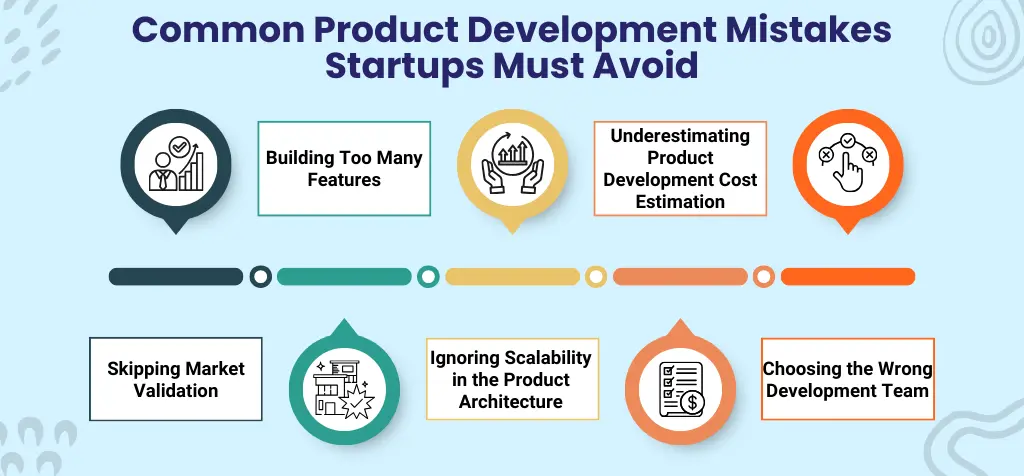
A lot of founders make the same mistakes when developing products that startups do, and they often forget the most important things about starting a business when they are planning. Teams can build smarter, use their resources better, and follow structured product development processes if they know about these problems.
Skipping Market Validation Before Development Begins
Many founders start building their product right away without checking to see if there is real demand from customers. One mistake that many startups make when developing a product is skipping research. Instead of proving that their product fits the market through user feedback, competitor analysis, and early validation, they just assume it does and hire mobile app developers.
Building Too Many Features Instead of a Focused MVP
Trying to launch with too many features increases complexity, development time, and costs. Startups should focus on solving one clear problem first and follow practical steps to build a scalable mobile application, starting with a focused MVP that delivers value and gathers real user feedback.
Ignoring Scalability in the Product Architecture
Many early-stage products work well with small user bases but collapse under growth. Without a scalable architecture, databases and backend services struggle with increased demand. Planning infrastructure early helps startups expand smoothly, especially when working with specialized teams like a logistics software development company.
Underestimating Product Development Cost Estimation
Inaccurate budgeting is another major reason startups stall during development. Costs related to design, backend infrastructure, and updates often get overlooked. Partnering with experienced product development consulting services helps founders estimate development expenses realistically and plan sustainable growth strategies.
Choosing the Wrong Development Team or Technology Stack
Selecting inexperienced developers or unsuitable frameworks can slow progress and create long-term technical debt. Startups that carefully evaluate teams before they hire mobile app developers are more likely to build reliable, scalable products aligned with the core business fundamentals for startups.
Read More: 10 Common Mistakes to Avoid in Mobile App Development
Why Choose Diginautical for Your Mobile App Product Development?
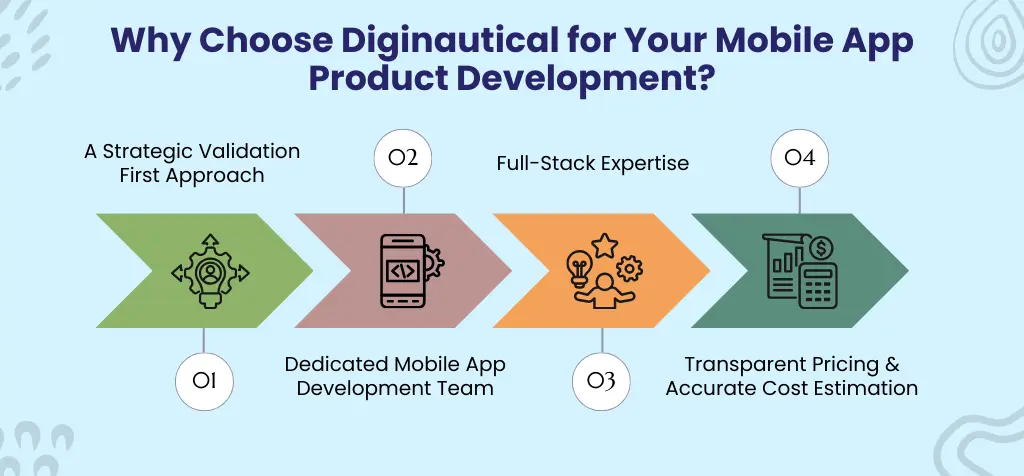
As the best mobile app development company, Diginautical combines strategy, design, and engineering to deliver scalable digital products through reliable mobile app development services.
A Strategic Validation First Approach to Product Success
Diginautical is one of the best custom software development companies in Florida. They start every project by doing research, checking the market, and making a plan for the future. This method of validating ideas first makes sure that they fit with real market demand before development starts. This makes long-term success more likely and cuts down on expensive development risks.
Dedicated Mobile App Development Team for Scalable Growth
Diginautical provides a dedicated mobile app development team focused entirely on your product vision. This specialized structure improves communication, accountability, and development speed while ensuring the product evolves strategically alongside business growth and changing user requirements.
Full Stack Expertise
Our mobile app development services combine design, architecture, and engineering across multiple platforms. From native applications to scalable SaaS platforms, our engineers support complete lifecycle delivery through SaaS product development services and advanced enterprise software development frameworks built for performance and reliability.
Transparent Pricing and Accurate Cost Estimation
Diginautical puts a high value on openness in all of its dealings. We set clear deadlines, milestone-based delivery, and realistic budgets through structured product development consulting services. This method makes sure that clients can see everything that is going on during complicated projects for developing enterprise software and implementing SaaS products.
Read More: How to Choose the Right ERP for the Food and Beverage Industry
Final Thoughts
A great idea isn’t enough to make a successful digital product. Startups that focus on the most important parts of running a business are much more likely to make products that solve real problems and keep growing over time. Startups can make digital products that grow quickly and compete in fast-moving markets when they make decisions about technology, user needs, and business goals that all work together.
This is where experienced technology partners make a significant difference. Diginautical supports startups and growing businesses by combining strategic planning, validation, and advanced development expertise to deliver scalable products.
Frequently Asked Questions
They help startups validate ideas, understand market demand, and build a structured roadmap before investing in development, reducing the risk of product failure.
The first step is market validation and defining a clear product strategy, ensuring the app solves a real user problem before development begins.
Depending on complexity, developing an MVP typically takes 3 to 6 months, while full-scale products may take longer due to advanced features and integrations.
Startups achieve product market fit by testing their concept with real users, gathering feedback, and refining features until the product clearly solves a customer need.
An experienced team like Diginautical helps startups plan strategy, manage development efficiently, and build scalable digital products with long-term growth in mind.


